Holiday rental in Marrakech: pick the area before you pick the house
In Marrakech the address does more work than the house. The same budget buys a riad room five minutes from Jemaa el-Fna, a modern flat with a pool in Guéliz, or a whole villa at the end of a track in the Palmeraie. Three different holidays, and only one of them is the one in your head.
See holiday rentals in Marrakech
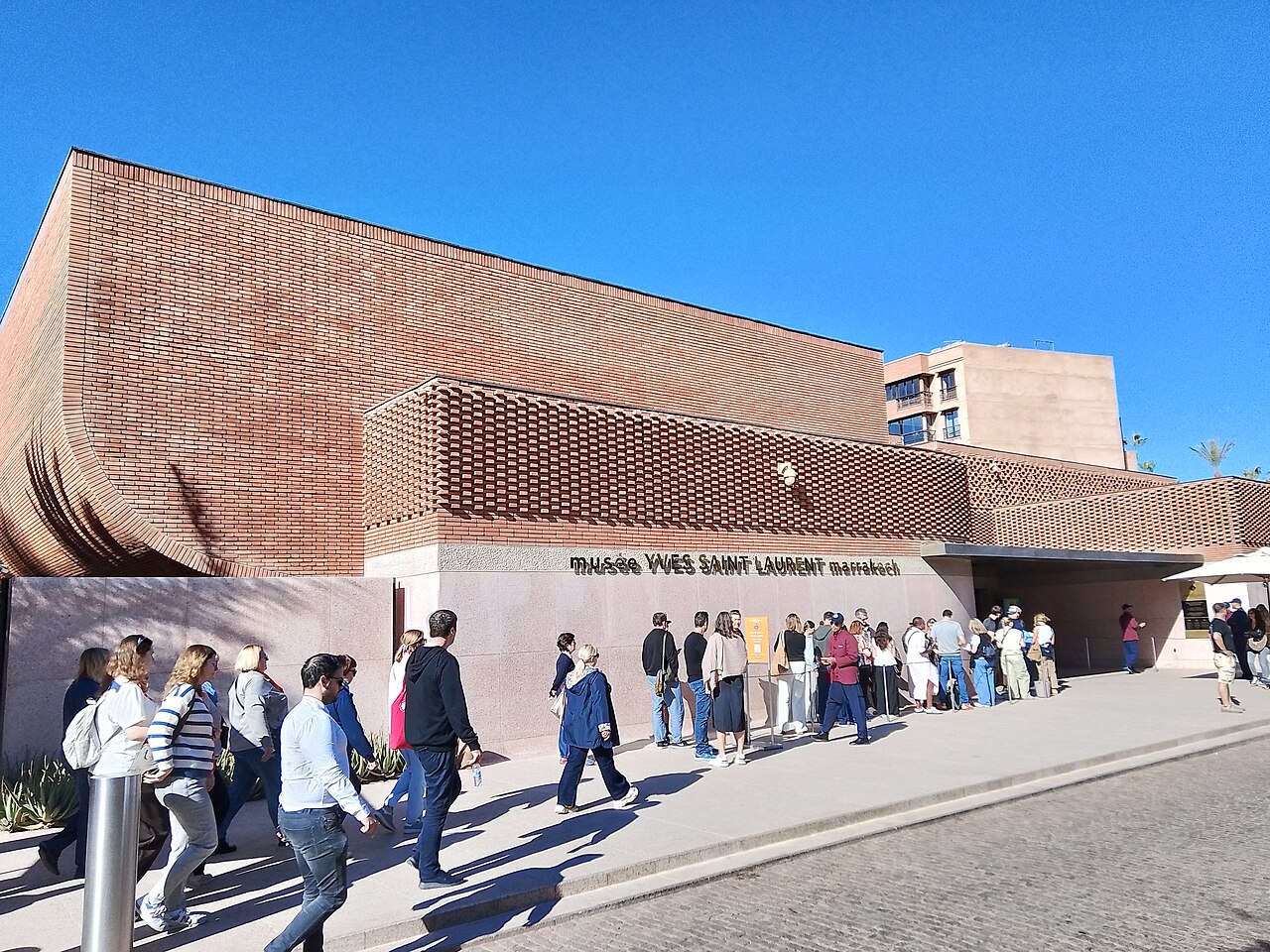
The medina: central, and always on foot
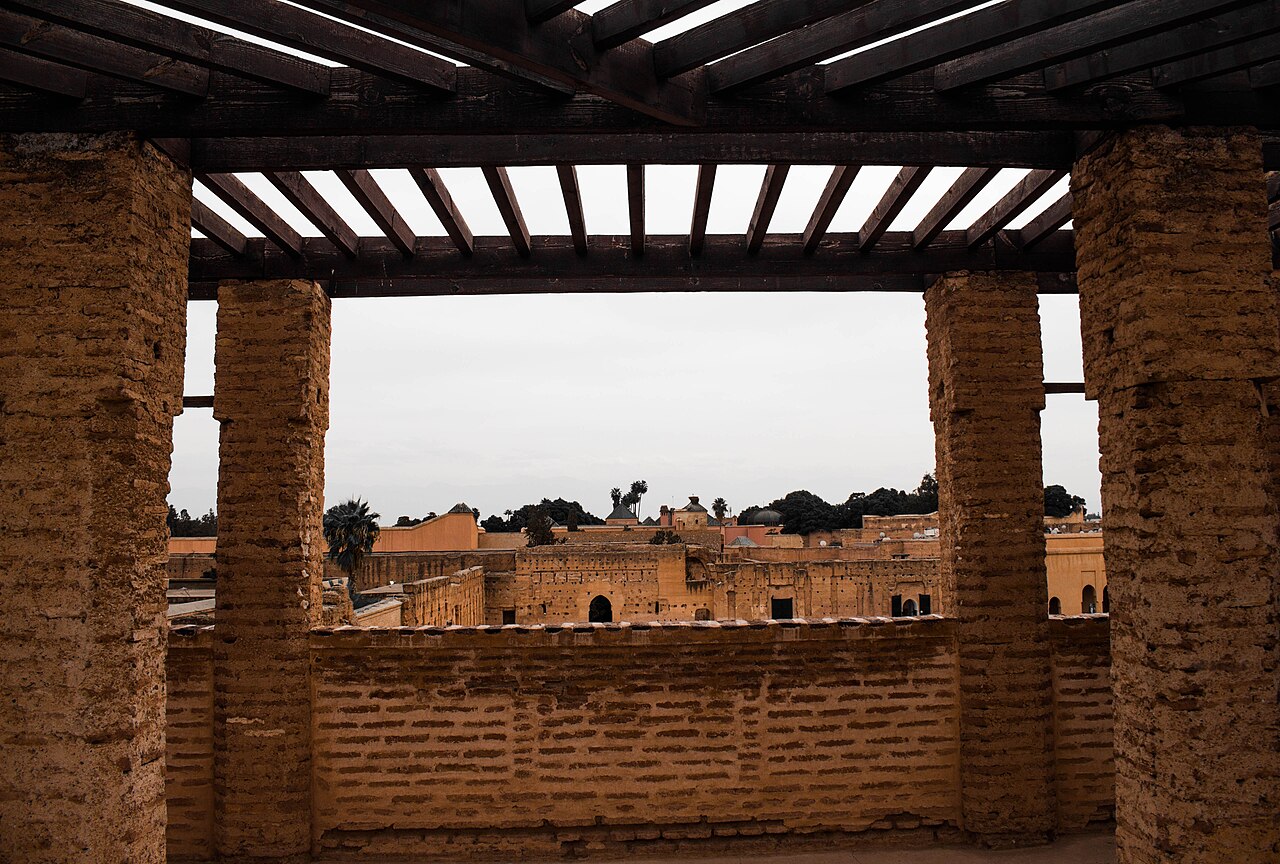
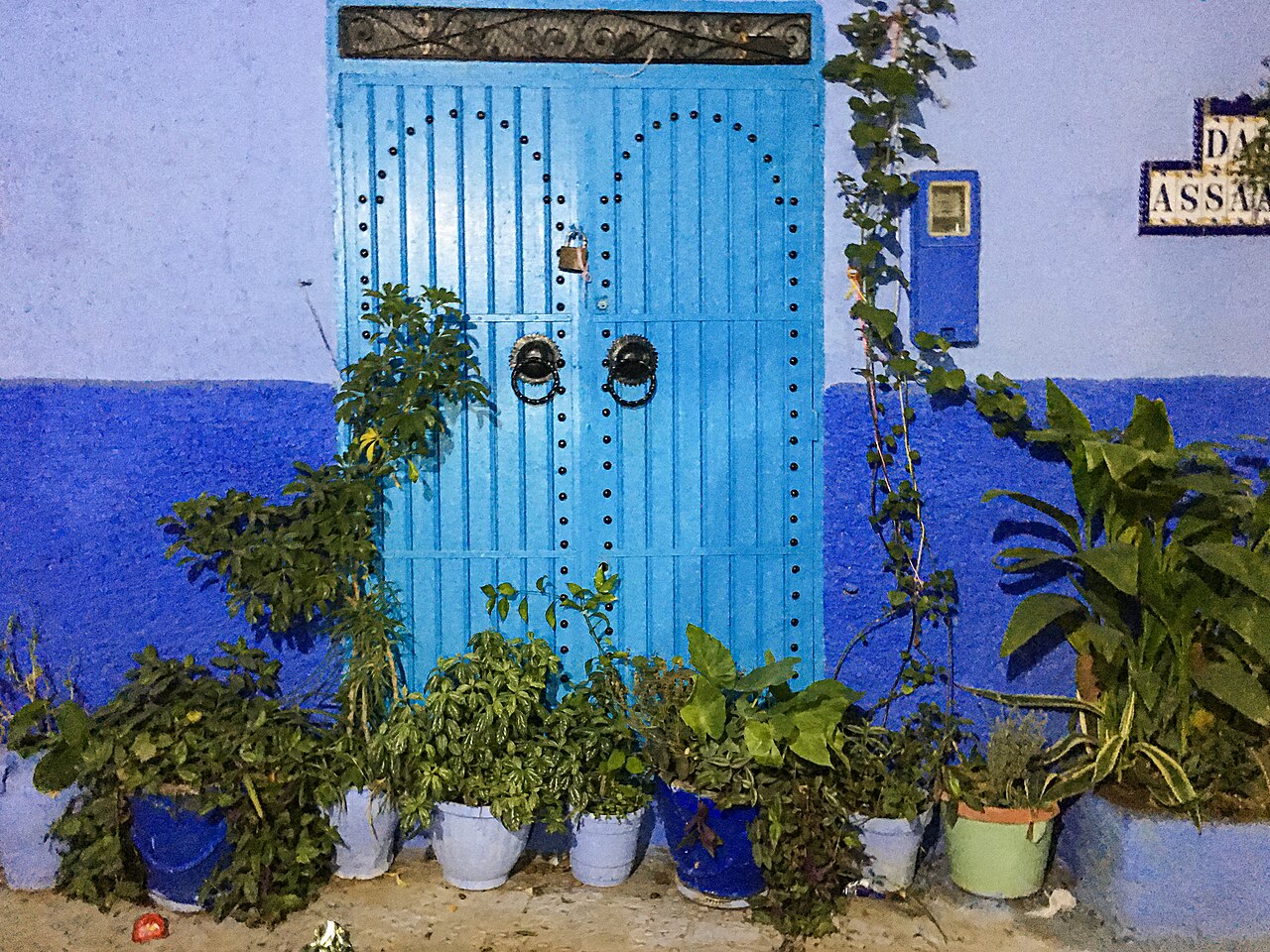
Staying inside the walls means waking five minutes from Jemaa el-Fna and buying bread where the neighbourhood buys it. It also means no car reaches your door: the taxi stops at a bab, one of the old gates, and the last hundred to three hundred metres are walked down derbs no map names.
Ask for the exact drop-off point, and ask someone to meet you if you land after dark. By ten the lanes empty, the shutters come down and your phone gives up between two windowless walls. Wheeled cases do not roll on old stone. They get carried.
In return you get a clever building: closed to the street, open to the sky, with a courtyard that pulls cool air down and a terrace that turns usable the moment the sun drops. In July that beats a modern flat facing the wrong way. In December it works against you, because almost no old riad has central heating.
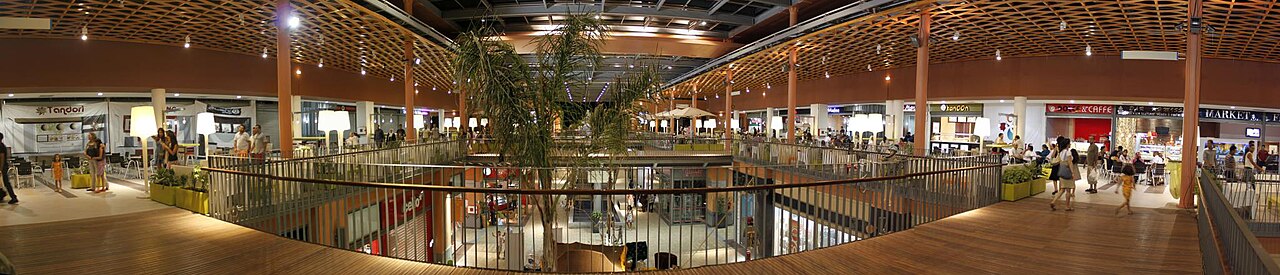
Guéliz and Hivernage: the city that drives
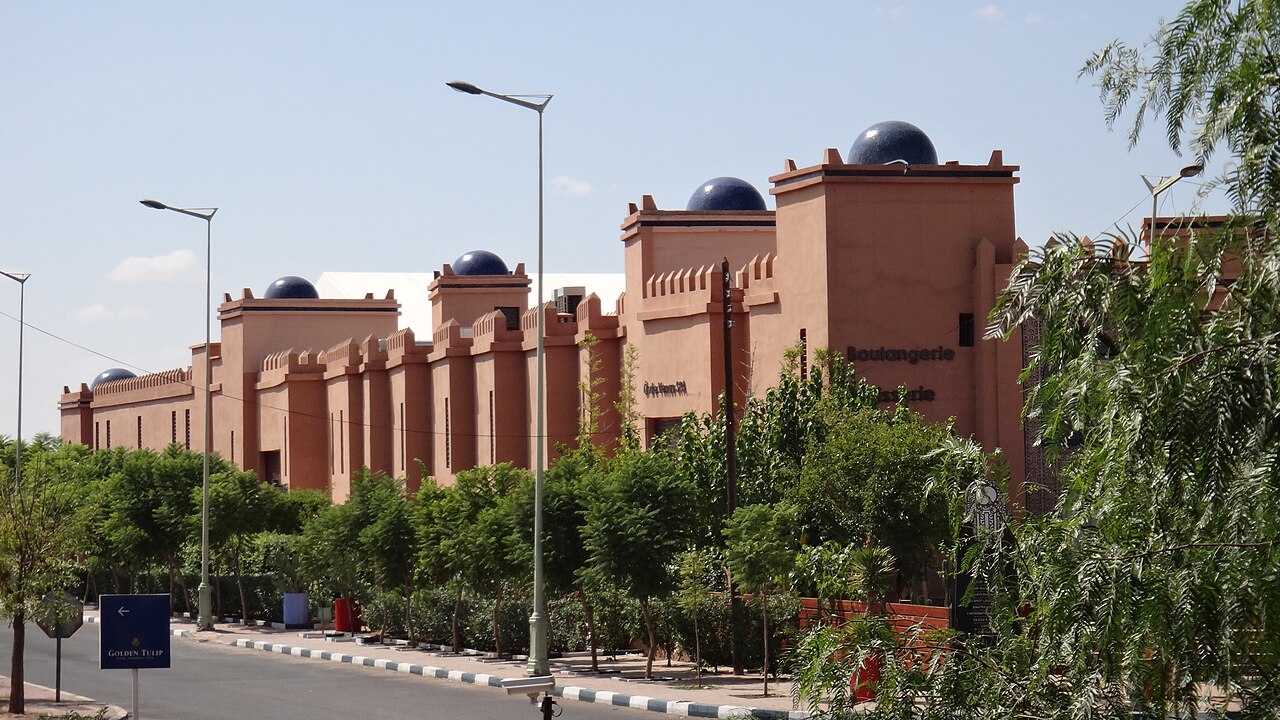
Guéliz is the new town, laid out on a grid, with wide pavements, supermarkets and a petit taxi on every corner. The sensible choice with small children, a pushchair, or a long stay where you plan to cook. Hivernage next door is greener, quieter and dearer: lovely for sleeping, dead in the evening.
Reckon on ten to fifteen minutes by taxi to Jemaa el-Fna, longer late in the afternoon. Agree the fare before you get in, or ask for the meter; that conversation happens with the car stationary, never on arrival. What you give up is the scenery, and plenty of people swap on the second trip.
The Palmeraie and the roads out of town
If the holiday is built around a pool, the Palmeraie and the roads towards Ourika or Amizmiz offer whole villas for the price of a decent flat in town. Big garden, complete silence at night, room enough for the children to wear themselves out.
The catch fits in one line: without a car you are stuck, and every outing becomes a twenty or thirty minute round trip you quietly stop making by day three. Two things the photos leave out: the pool is rarely heated, so from December to March it is properly cold, and near the irrigated gardens you want screens on the windows.
When to come, and the month people regret
March and April, October and November are the good months: warm days, a jacket after dark, terraces you can sit on at noon. It is also when anything decent goes weeks ahead, so choice means booking early.
July and August burn. The heat is dry, which helps more than you would think, but by three the city stops and nothing happens until six. Prices fall to match, and with a proper courtyard high summer is a bargain.
December and January are the trap. Shirtsleeves in the sun, cold the moment it sets, colder indoors than out. Ask about heating in plain words, because a brazier in the courtyard is not heating. The last week of the year is the dearest, usually with a minimum stay.
What moves the price
There is no single Marrakech price. There are three or four, depending which week you land in, and the same house can cost twice as much in mid-July as it does in late December.
- Low season, January and high summer: the same money buys more house.
- High season, March to April and October to November: good places go weeks ahead.
- The turn of the year: the dearest week, usually with a minimum number of nights.
- A week or more: ask for a rate covering your exact dates, not a nightly figure times seven.
- Public holidays and festivals: they fill overnight and the price stays up.
Two things sit outside the figure on screen. Tourist tax is paid locally, per person per night; the commune sets it, so ask your host rather than a forum. Cleaning and the deposit are a separate conversation, and it belongs before you book.
Questions worth asking before you pay
The bad surprises are nearly always the same ones, and a question at the right moment kills all of them. How a host answers tells you half of what you wanted to know.
- Air conditioning room by room, because air conditioned can mean one unit in the lounge.
- Hot water in a three-storey riad where the boiler serves one bathroom at a time.
- Access: which floor, lift or no lift, and the real distance from drop-off to door.
- Noise: a music café under the terrace, the call to prayer before dawn.
- Who meets you and when, because a two in the morning arrival needs warning.
Ask for recent photos taken on a phone, not the ones in the listing. A wide-angle lounge shot from four years ago says nothing about the state of the sofa. Whoever sends two snaps within the hour will answer the day the water heater dies.
Booking direct with the owner
Dealing with the owner rather than an agency has one clear advantage: you can talk. Arrival time, an extra bed, a three-week rate that appears on no price list. Most owners would rather have one full month than four separate weekends.
The checking is then on you. Ask for a name, be suspicious of a flawless listing at a price that makes no sense for the season, and never pay the whole amount up front. Say who is coming, too, and you get the right room instead of the free one.
Do I need cash in Marrakech?
More than in most places: petits taxis, souk stalls and small restaurants take notes only. Cash machines are common in Guéliz and scarce inside the medina, so draw money before you go through the gate.
Can I rent by the week or the month?
Yes, and that is where the price becomes interesting. Ask for a rate covering your exact dates rather than multiplying a nightly figure. A month in high season will not bend the way a month in July does.
What does Ramadan change for a visit?
Days are quiet and many neighbourhood restaurants only open at sunset, when the fast is broken. After dark the city wakes up and keeps going very late. If you planned to eat out every lunchtime, rethink that part.
What should we avoid with a light sleeper in the group?
Rooms above a derb with a late café underneath, and flats on the big Guéliz avenues. A bedroom facing the inner courtyard changes the whole night, even if less daylight gets in.